How to Write AI Prompts That Actually Work

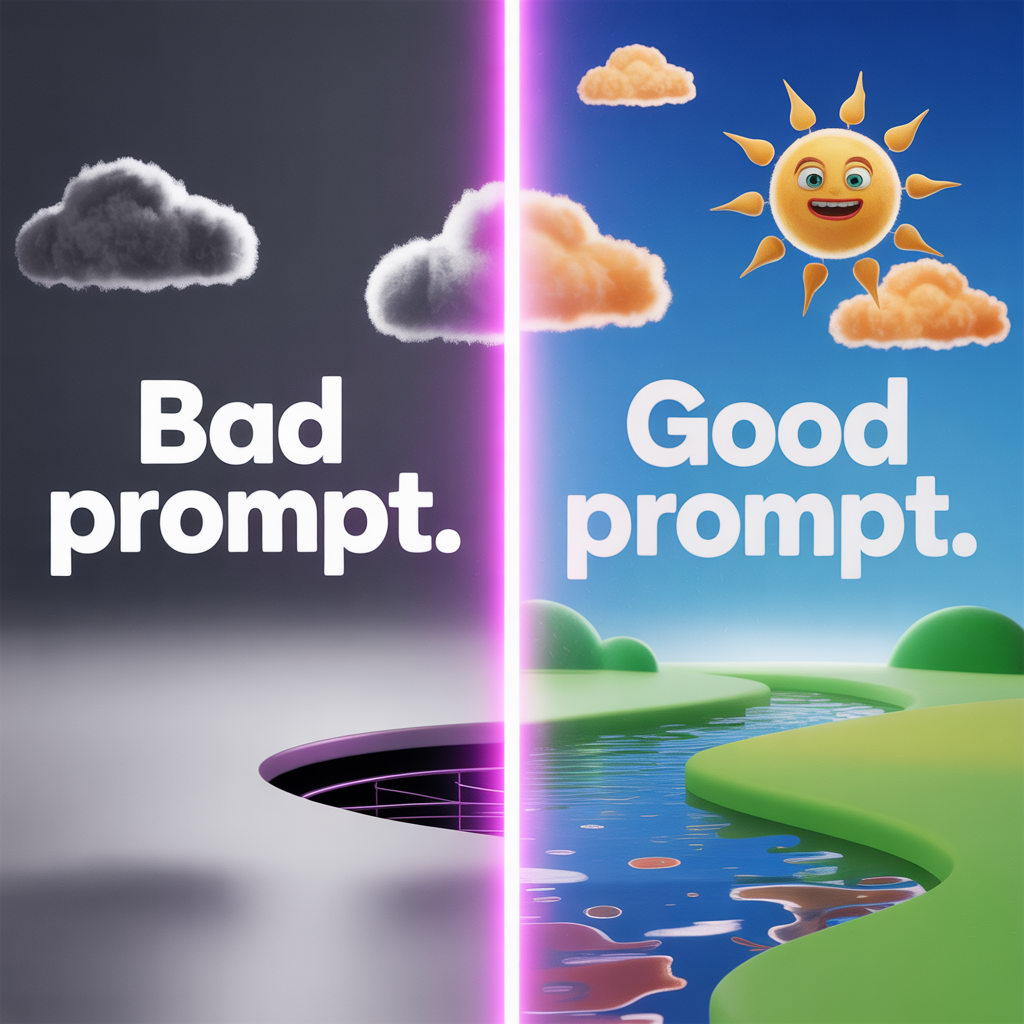
AI tools are now part of everyday business, but the quality of the results you get depends heavily on the quality of the prompts you give. A vague or poorly written prompt will often return generic, unhelpful answers. A clear, well-structured prompt can produce outputs that feel as if they were crafted by a skilled professional.
This guide explains how to write prompts that consistently deliver useful results, no matter which AI tool you are using. These methods work for business, creative projects, and personal productivity.
Why Prompt Quality Matters
When an AI tool responds, it is only following the instructions you provide. The better you define your goal, the easier it is for the AI to match your expectations. High-quality prompts:
- Save time by reducing the need for multiple revisions
- Provide consistent results, even across different projects
- Allow the AI to work in your specific tone and style
- Increase the chances of getting output that is ready to use
Rule 1: Be Specific About the Goal
Start by clearly stating what you want the AI to produce and the purpose behind it. If you need a marketing email, specify the audience, the main offer, and the tone. For example:
Write a 200-word email for small business owners, promoting a new accounting software. Highlight time savings, ease of use, and a limited-time discount.
Rule 2: Provide Relevant Context
The AI cannot read your mind. Include the background information it needs, such as industry, audience type, and any constraints. Context makes the output relevant and tailored.
Rule 3: Define the Structure of the Output
If you need bullet points, numbered steps, or specific sections, say so in the prompt. Structure helps the AI organise the information in a way that is immediately useful.
Rule 4: Specify the Tone and Style
Decide whether you want a formal, conversational, technical, or persuasive tone. Include examples if possible. This keeps your brand voice consistent and prevents generic results.
Rule 5: Test and Refine
Do not settle for the first output. Test different variations of your prompt, compare results, and adjust until you find the structure that works best. Save your best prompts so you can reuse them.

Common Prompt Mistakes to Avoid
- Being too vague (e.g. “Write an article about marketing” with no details)
- Skipping the audience definition
- Forgetting to include a desired format
- Asking for too many unrelated things in one prompt
Final Thoughts
Writing effective prompts is a skill that improves with practice. The more detail you provide, the more useful the AI’s output will be. Start applying the five rules in this guide, and you will see immediate improvements in the quality of your AI-generated content.
To find ready-to-use, high-performing prompts for your business, visit the PromptAndGo library.
Related prompts you can try now
Newsletter Outline Generator
Generate a clear, repeatable email structure in seconds.
High-Intent Ad Variations
Quickly explore angles that convert.
Weekly Plan with Time Blocks
Stay on track with a plan you can follow.